History and Evolution of Japanese Swords
Japanese swords, known for their unique style and meticulous craftsmanship, have a rich history dating back to the Heian period. During this era, the development of the long sword or tachi marked a turning point in close combat, becoming an indispensable symbol for samurais and their armor. The style and manufacturing method, featuring the characteristic hamon or temper line, evolved through successive periods such as Muromachi and Sengoku, reflecting changes in society and military needs.
In the Tokugawa shogunate, there was a notable refinement in the making of Japanese swords, with traditions that are still preserved today in museums like the National Museum of Tokyo. These ancient swords, from naginatas to tanto and katanas, represent not only combat tools but also pieces of art that highlight the craftsmanship of swordsmiths and the influence of metal, including the use of stainless steel in some modern replicas for practice.
Characteristics and Types of Japanese Swords
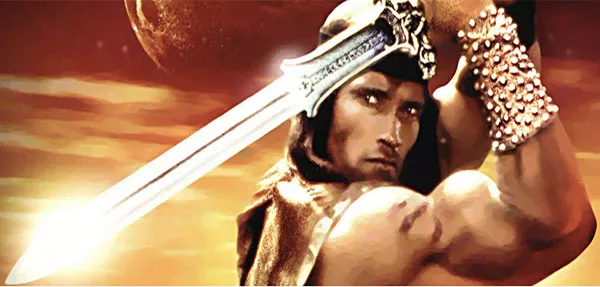
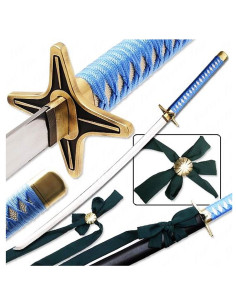
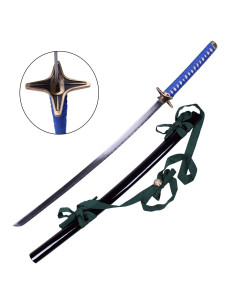
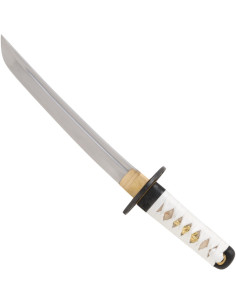
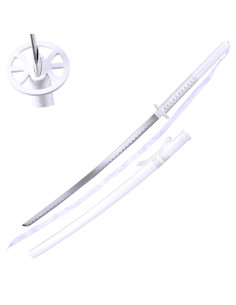
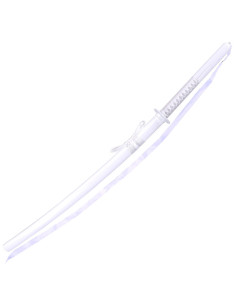
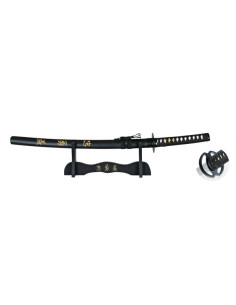
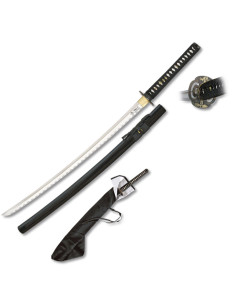
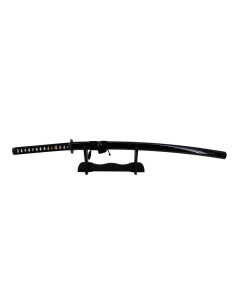
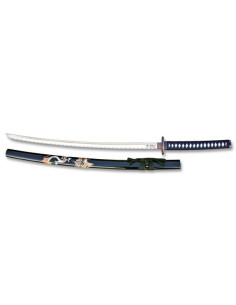
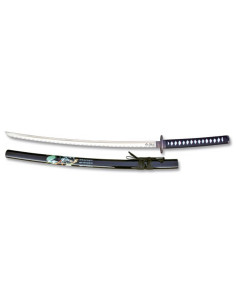
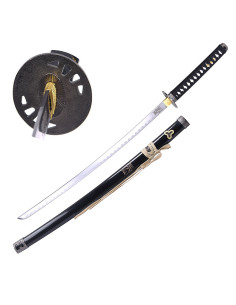
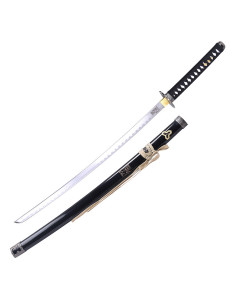
The variety of Japanese sword types is broad, with katana, wakizashi, and tanto standing out as the main ones. Each type differs in length, blade style, edge, and point, as well as in the design and color of the scabbard. For example, the katana features a long sword with a curved edge and sharp point, ideal for precise cuts, while the wakizashi is shorter and used as a complement. The naginata, with its elongated and curved blade, is a pole weapon that is also part of the traditional heritage.
Beyond functional use, Japanese swords serve ornamental and symbolic purposes, closely linked to samurai armor and rituals. The choice of the ideal sword type depends on its application, ranging from cutting practice in Japanese martial arts to decorative collections or faithful replicas made of stainless steel that preserve the essence of the Sengoku or Muromachi periods.
Manufacturing and Steel Techniques in Japanese Swords
The making of Japanese swords is a tradition that combines art, science, and technique. The process begins with selecting special steel and repeatedly folding it to obtain a blade that is strong and flexible. This process gives rise to the characteristic hamon, the visible line on the blade that shows differential tempering and defines the edge and point, ensuring a perfect balance between hardness and cutting ability.
Today, sword making in Japan continues with ancestral techniques that have been partially adapted to modernity. There are expert craftsmen who keep this historic tradition alive, while the industry produces swords for various uses, from replicas for collectors to weapons for martial arts practice. Important museums such as the National Museum of Tokyo house specimens that allow study and appreciation of this meticulous technique.
Applications and Current Use of Japanese Swords
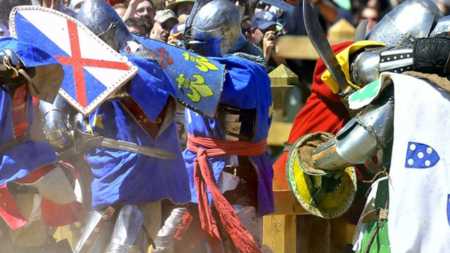
Nowadays, Japanese swords are not only collectible objects but also tools in Japanese martial arts and role-playing activities like LARP. Many katanas have stainless steel blades for training, allowing safe use in cutting and close combat techniques. Models inspired by characters from series like Demon Slayer or Naruto have popularized samurai culture and attract both practitioners and enthusiasts.
In addition to combat and martial arts practice, these swords are decorative pieces that evoke Japanese history, used in exhibitions and displays. The variety in scabbards and styles, with adornments referencing different periods, facilitates choice according to the interest of each collector or athlete seeking a functional and aesthetically pleasing weapon.
Japanese Swords in Culture and Collecting
Japanese swords are emblematic pieces with a strong presence in Japanese and global culture. From the Sengoku period to the Tokugawa shogunate, these weapons symbolize honor and skill, displayed in armors and ceremonies. Today, their history is preserved in institutions like the National Museum of Tokyo, which safeguard ancient swords in excellent condition and allow appreciation of their evolution.
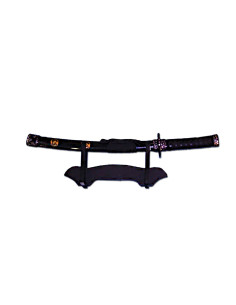
Collecting contemporary and antique Japanese swords is a passion that involves understanding the different sword types, their period of manufacture, and the characteristics of the steel and style. Whether for study, display, or practice, purchasing authentic swords or faithful high-quality replicas is possible through specialized stores that offer a wide range including professional katanas, mini katanas, and decorative wakizashi.
What distinguishes a katana from a tanto or wakizashi?
The main difference lies in size and use. The katana is a long sword designed for combat on the move, with a curved edge and sharp point. The wakizashi is shorter and used as a complement to the katana, especially for close combat or situations where the katana is inconvenient. The tanto is an ornamental or functional knife or dagger, used for precise cuts and close defense.
How can you identify an antique Japanese sword?
An antique Japanese sword has particular manufacturing features, such as the visible hamon on the blade, the texture of the steel, and the scabbard design. The type of steel, the swordsmith's signature, and the characteristic style of its historic period, for example, Muromachi or Sengoku period, are also analyzed. National museums are often a resource for studying these details.
What materials are currently used in making training katanas?
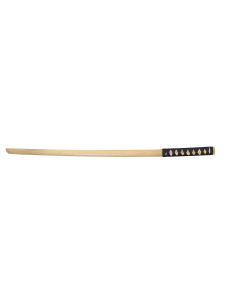
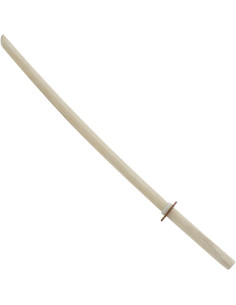
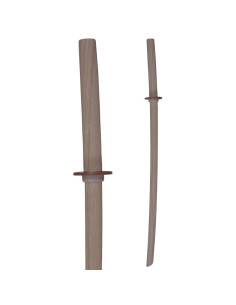
For cutting practice and martial arts, katanas made of stainless steel are common due to their durability and lower maintenance needs. There are also models with aluminum blades for safe training without risk of serious cuts, especially for beginners or in LARP activities.
What is the meaning of the hamon on a katana?
The hamon is the visible line of differential tempering on the blade indicating the transition between the hard and more flexible parts of the steel. This feature is not only aesthetic but provides the edge and point with the hardness necessary for effective cutting, while the rest of the blade absorbs impacts preventing breakage.
Why is the scabbard important in Japanese swords?
The scabbard not only protects the blade preserving the edge and preventing damage but is also part of the style and symbolism of the Japanese sword. The choice of color, material, and design reflects traditions from periods like Heian or Tokugawa and can influence the practical and decorative use of the weapon.
In which historical periods are Japanese swords most notable?
Japanese swords gained great relevance during the Heian period, followed by their evolution in the Muromachi and Sengoku periods. Each stage reflects changes in design, style, and application, coinciding with civil wars and the establishment of the Tokugawa shogunate, which consolidated traditions that endure today.
Which types of Japanese swords are popular among collectors?
For collectors, professional and decorative katanas, wakizashi, ornamental tanto, and swords inspired by popular culture such as those from The Immortals or Demon Slayer are popular. Authenticity in manufacturing, style details, and steel use are key factors in choosing a piece.
Discover the tradition and excellence of Japanese swords in our online store. Explore katanas, wakizashi, and tantos that combine history, style, and functionality for your collection or martial arts practice. Shop now and experience the prestige of the Japanese blade!