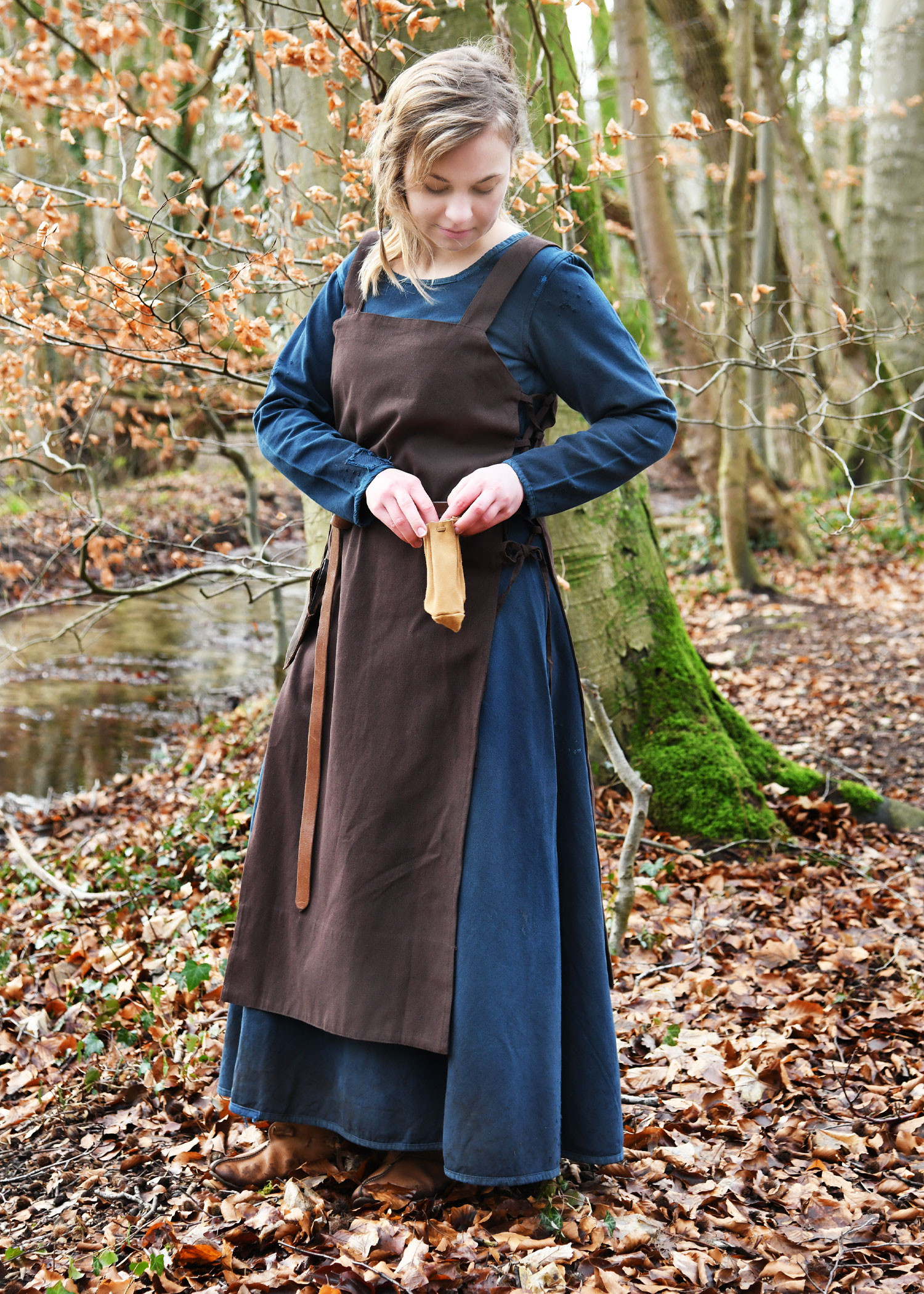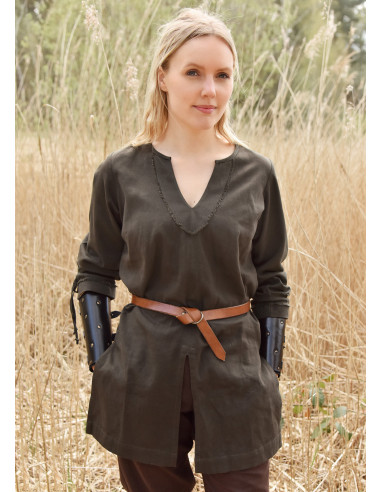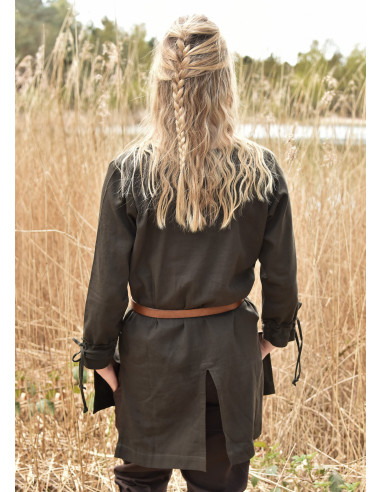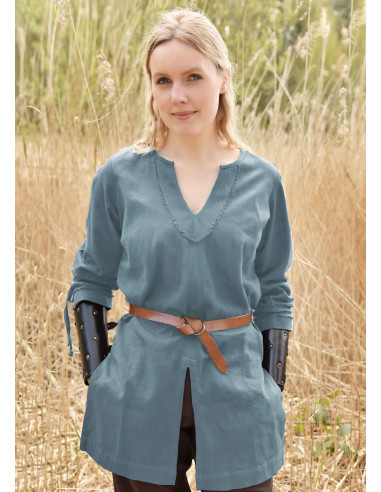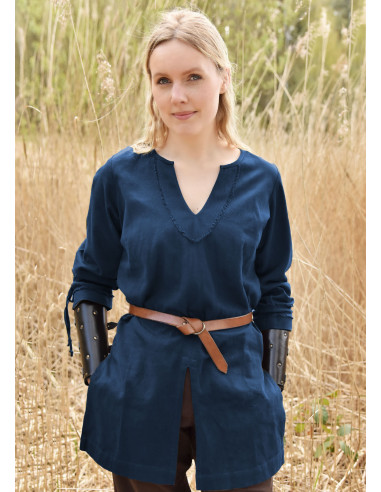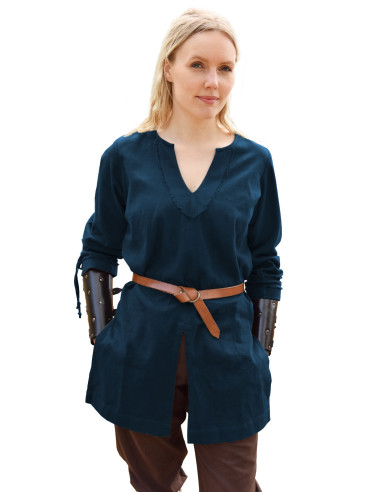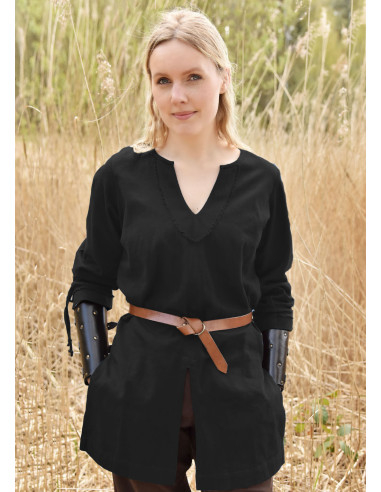
Viking apron Tinna in brown cotton
Envío: CONSULTAR
Envío: 1-2 SEMANAS
Envío: 2-3 SEMANAS
Envío:
1 SEMANA
Envío:
1 SEMANA
Envío: Menos de 1 SEMANA
Envío:
Menos de 1 SEMANA
0
unidad
unidades
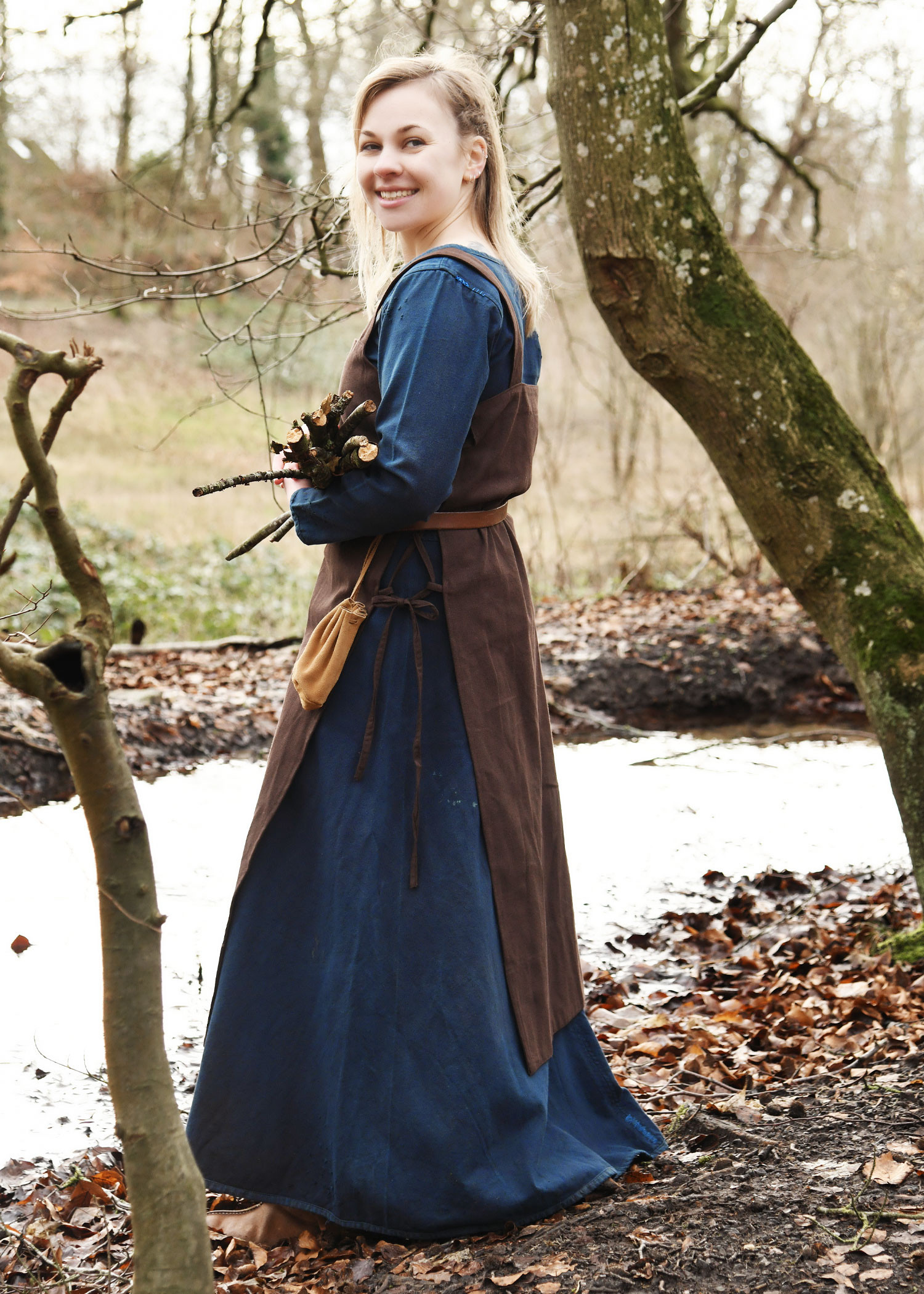
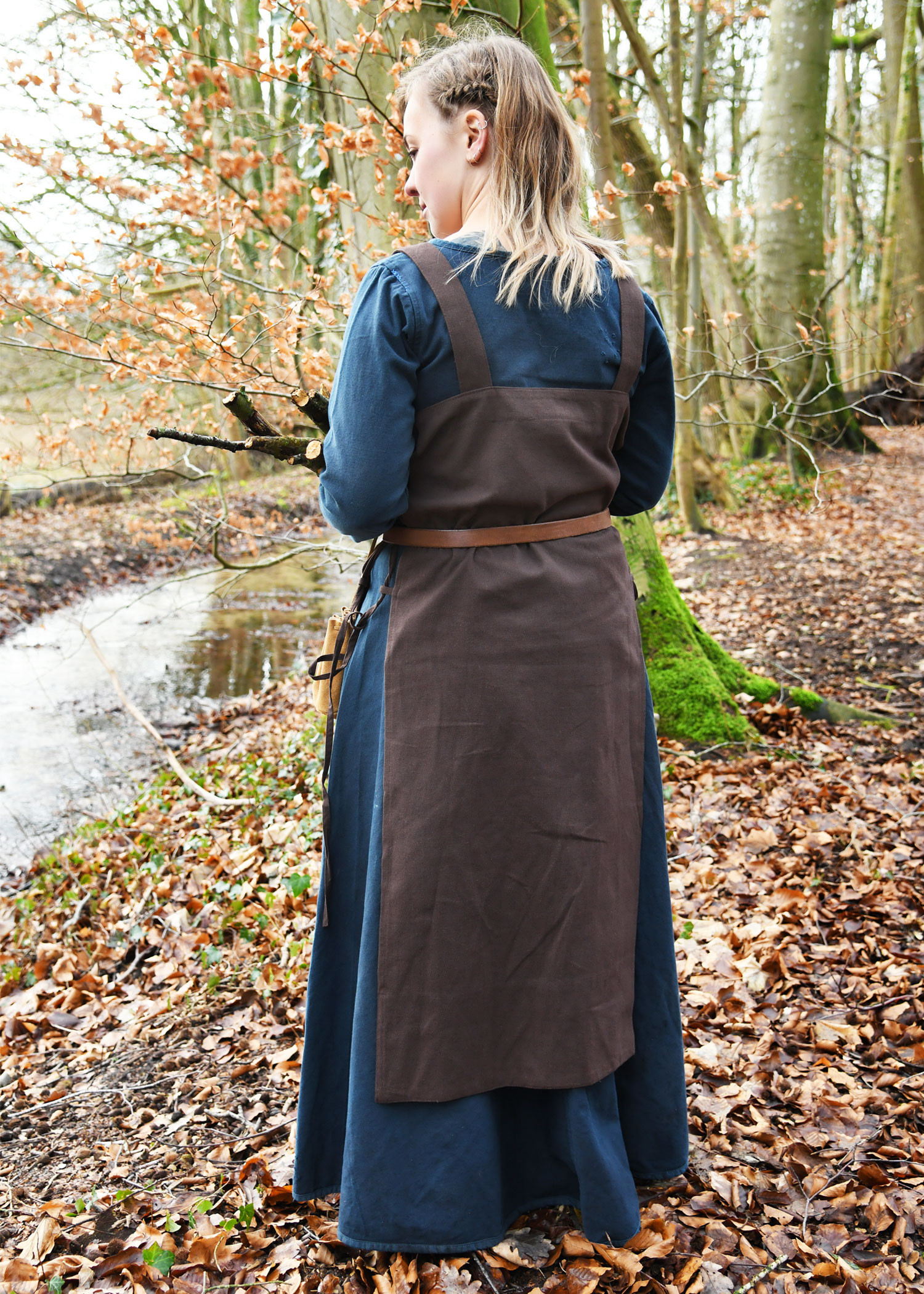
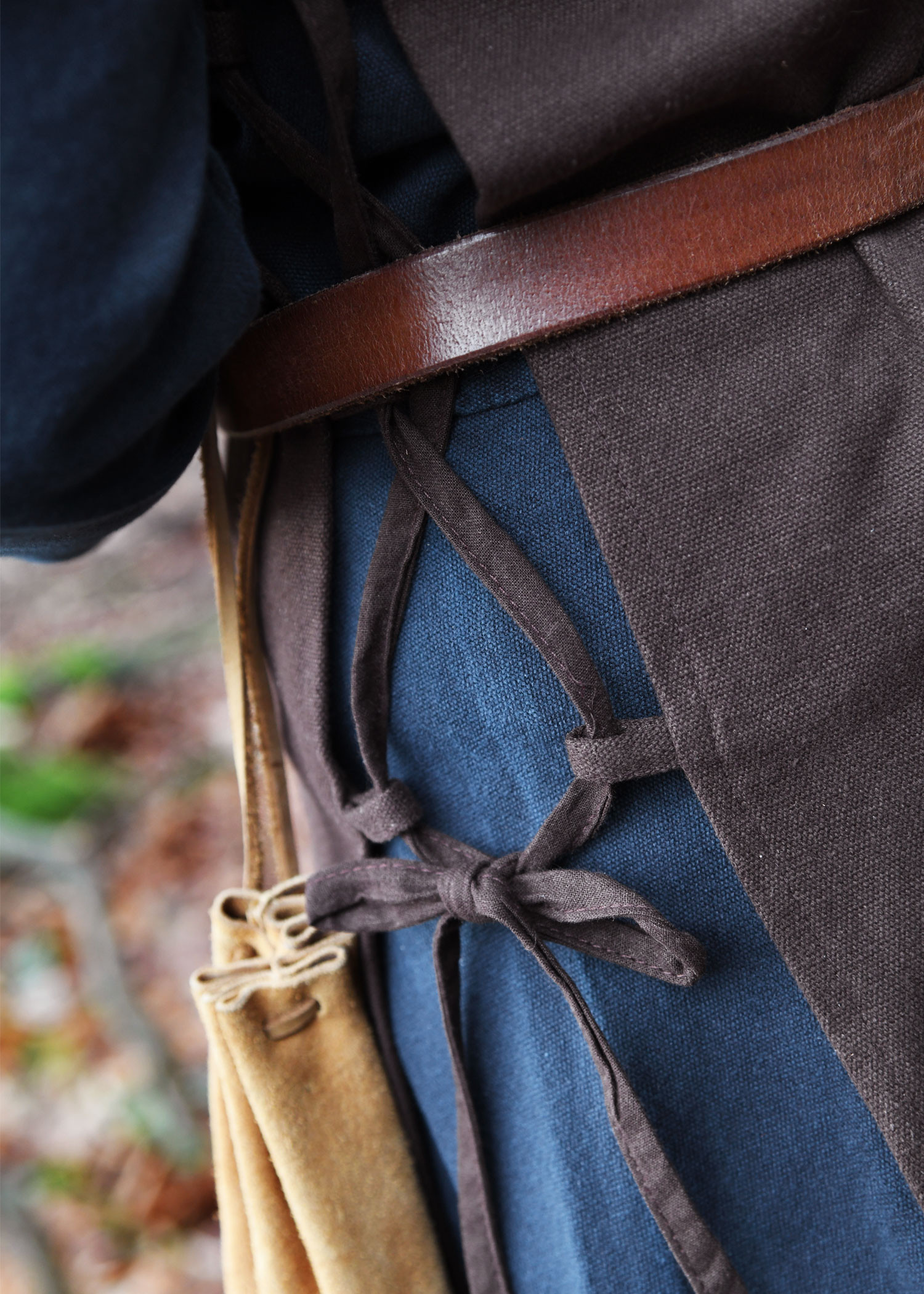
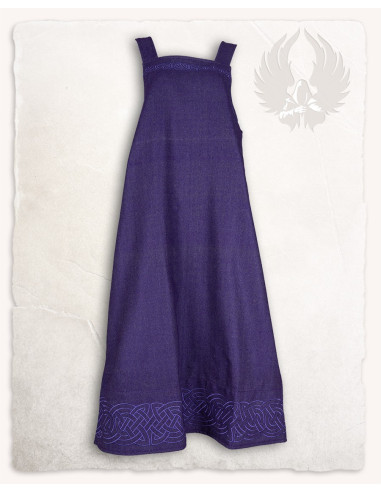
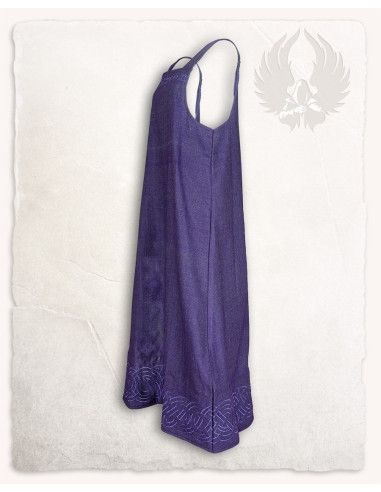
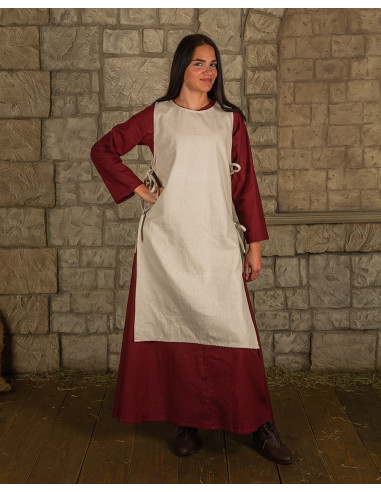
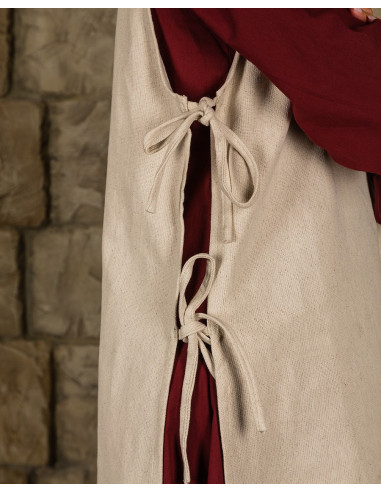
Brown Viking apron, a staple of Viking attire. Our unicolour sleeveless dress is made of thick canvas fabric (100% cotton) and is therefore very durable. It has a loose fit, ties at the sides, and has been kept simple.
This pinafore dress looks best paired with a plain or shift dress and a belt. And when worn with matching accessories, it's perfect for representing a Norsewoman, maiden, or shieldmaiden.
- Size S/M: Chest: 88-96
- Size L/XL: Chest: 104-116
- Size XXL: Chest: 128
Features
| Material | 100% cotton |
|---|
- Credit Card
- Google Pay
- Apple Pay
- Paypal
Inquiry about Viking apron Tinna in brown cotton
Reference: 220240000
Brown Viking apron, a staple of Viking attire. Our unicolour sleeveless dress is made of thick canvas fabric (100% cotton) and is therefore very durable. It has a loose fit, ties at the sides, and has been kept simple.
This pinafore dress looks best paired with a plain or shift dress and a belt. And when worn with matching accessories, it's perfect for representing a Norsewoman, maiden, or shieldmaiden.
- Size S/M: Chest: 88-96
- Size L/XL: Chest: 104-116
- Size XXL: Chest: 128
The most characteristic features of these overdresses were the straps and the simple tubular shape. Such dresses could be fitted with slits, so-called gores (added wedge-shaped pieces of fabric) or pleats, and some variants also featured an overlapping front. They usually ended at mid-calf.
The Viking Age smock dress, also known as a smokkr or hangerok (sometimes spelled hangeroc or hangerock) served two different purposes. While the simple variant was a kind of bib apron or apron designed to protect outer clothing, the more elaborate variant, adorned with braid, embroidery, chains and oval (turtle) brooches, was worn as a status symbol. Historical evidence of this type of clothing is confirmed by finds and representations from the archaeological sites of Hedeby and Birka.